Fleet Licensing Strategy When Your Org Runs Claude Code and Codex Simultaneously at Scale
Running Claude Code and Codex together is a governance problem first.
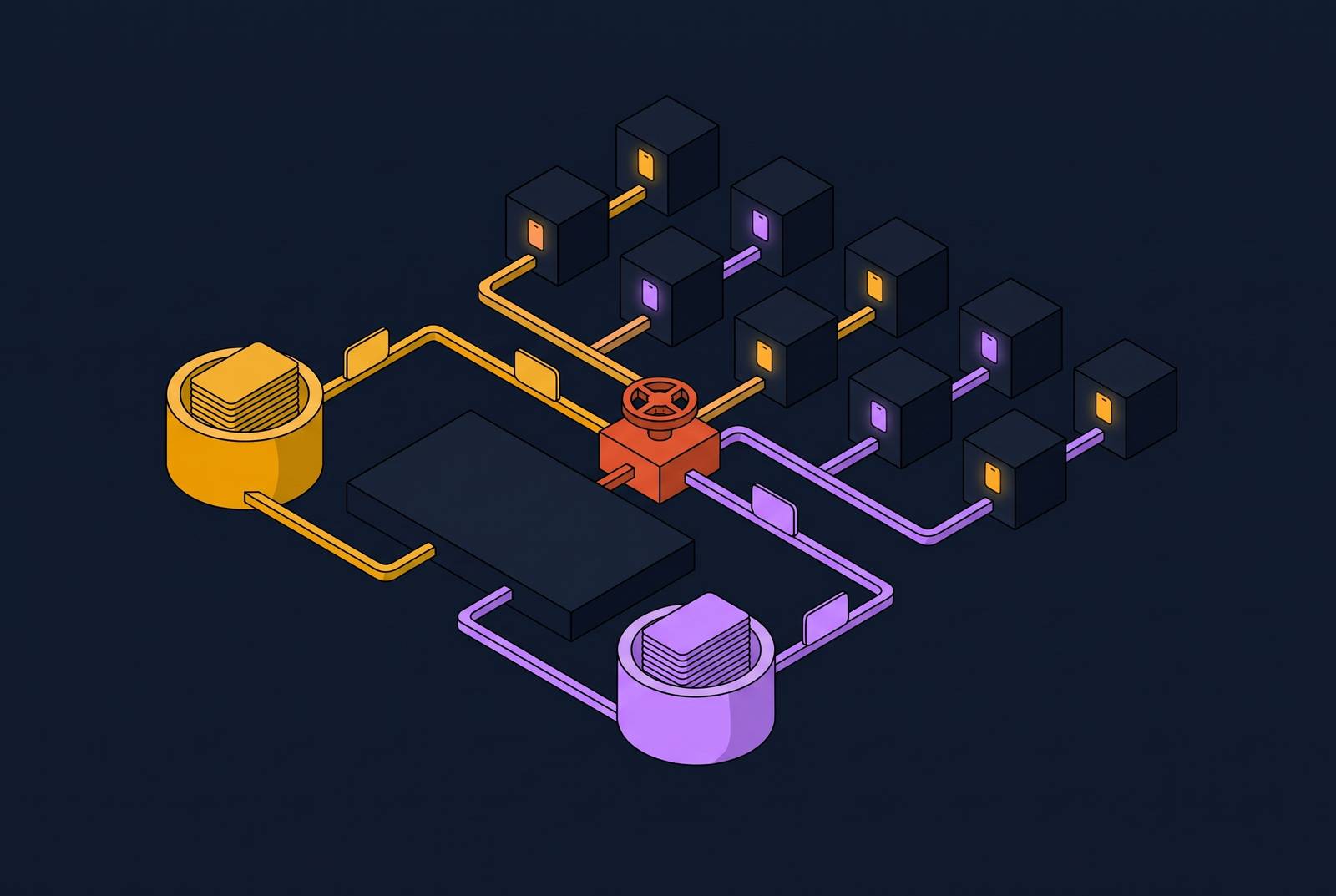
For engineering teams running Claude Code and Codex together, the best cloud coding agent setup is one that keeps both agents interchangeable under shared controls. Fleet licensing is therefore a governance decision before it is a cost decision. A neutral trigger, credential, audit, and review layer lets teams choose an agent for the task without rebuilding workflows or duplicating credentials across the fleet.
Why running Claude Code and Codex together is a governance problem, not a cost problem
A licensing budget can account for both subscriptions and still leave the organization’s main risks unresolved. Each vendor has its own billing system, admin surface, and security perimeter. Neither agent is a standalone SKU. Claude Code is included with paid Claude plans, while Codex runs through a ChatGPT or OpenAI plan. Before any task runs, the organization has two independent subscription architectures to administer.
That separation extends into the controls around engineering work. Identity integrations, audit logs, permissions, and secret-scanning enforcement must cover both environments, even when the same developers use them against the same repositories. Meanwhile, the bottleneck has moved from producing code to reviewing, verifying, and trusting it. Governance now sits on the path to shipping. An agent’s ability to generate a change is only useful when the organization can establish whether that change is safe to merge.
Choosing one agent removes some administrative duplication, but it also limits the available ways to execute work. Terminal-first codebase reasoning and cloud-isolated parallel execution serve different needs. Teams therefore need to preserve that choice without making every agent change a new security and workflow project.
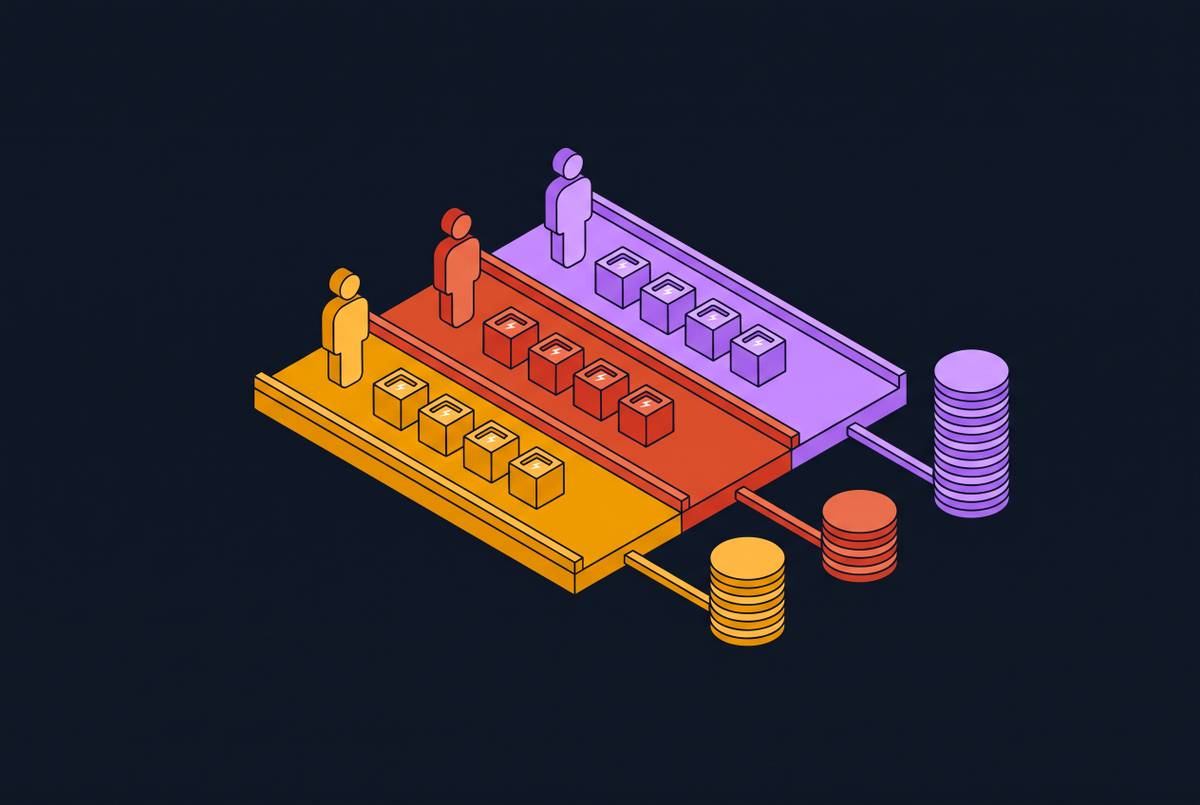
How the two billing architectures actually work and where they diverge
Claude Enterprise separates the seat fee from consumption. Its published price is $20/seat/month on an annual basis, with no usage included and tokens billed separately at standard API rates. Seat access is not a consumption allowance. HIPAA-ready organizations have separate Chat and Chat-plus-Claude-Code seat types in place of the single-seat billing model, so teams need to check which type each developer has when they set a budget. US-only inference also applies a 1.1× usage multiplier to Claude 4.6 and later models.
Other Claude routes create different accounting boundaries. The Console/API route has no seat fee and bills per token through a Claude Code workspace with its own spend limit. It suits teams already using API workloads or cloud-committed spend through Amazon Bedrock, Google Cloud, or Microsoft Foundry. Team plans instead share usage between chat and Claude Code. A morning spent in chat can therefore reduce the developer’s coding allowance later that day.
Codex uses a different metering and procurement structure. OpenAI’s official rate card dates the move from per-message pricing to token-based credits to April 2, 2026, for Plus, Pro, Business, and new Enterprise plans. Legacy Enterprise and the other specified plans followed on April 23, 2026. Enterprise pricing is unpublished and negotiated. Claude exposes organization- and user-level spend limits, while equivalent Codex visibility depends on the contract and admin console, leaving fleet operators with different metering models and different administrative controls.
The admin surface problem: two identity systems, two audit logs, two permission models
Configuration drift is the operational risk hidden inside that administrative split. A policy change can reach one agent’s configuration while leaving the other unchanged. Both may still look correctly configured when checked on their own. Claude Code uses CLAUDE.md for project standards and guidance on architecture, while Codex takes direction for the repository from AGENTS.md. For automated review, Claude Code follows REVIEW.md, and Codex follows a Code Review Rules section in AGENTS.md.
Those files do not replace security enforcement. To enforce directory restrictions, Claude Code needs permission rules, hooks, or sandbox controls as well as project guidance. Managed settings delivered through a server, MDM, or files cannot be overridden by individual developers. Prompt injection also requires controls around MCP and permissions. Malicious instructions in tool results or file contents cannot be addressed solely by writing stronger repository guidance.
The identity and audit layers remain separate as well. Claude Enterprise provides SSO, SCIM, role-based permissions, audit logs, IP allowlisting, custom retention, HIPAA-ready configuration, and a Compliance API for programmatic access to usage data. Those native records do not automatically merge with records from other AI clients and MCP integrations. Organizations needing consolidated evidence for SOC 2, HIPAA, or internal reporting therefore need coverage above the individual vendor surfaces. That shared layer must reconcile identity, credentials, audit records, and enforcement rather than merely display two admin consoles together.
Why agent interchangeability is the design goal, and what prevents it today
Claude Code works as a terminal-first engineering partner across codebase understanding, CLI toolchains, multi-file changes, tests, and issue-to-PR workflows. Codex supports cloud-connected parallel tasks, worktrees, automations, and review. Its cloud tasks each run in their own computing environment on codebase clones and return pull requests. These are different execution patterns.
That distinction supports routing deep codebase reasoning to Claude Code and parallel PR-generation work to Codex. When teams change agents, they have to translate policy files written for one vendor into the other’s format. Workflow entanglement adds another obstacle. If one harness owns the Slack bot, issue integration, or GitHub action through which work begins, replacing it also means rebuilding those entry points.
Credentials and account ownership can bind the workflow just as tightly. Keys provisioned separately for each agent make a harness change a credential-management exercise across the fleet. Vendor-managed model billing can also constrain the ability to move work without revisiting commercial arrangements. The design goal is therefore an agent-agnostic trigger layer, credential layer, and review layer. Under that model, changing the executor becomes a configuration choice that leaves the engineering workflow intact.
The operating model: a single trigger and review layer above both agents
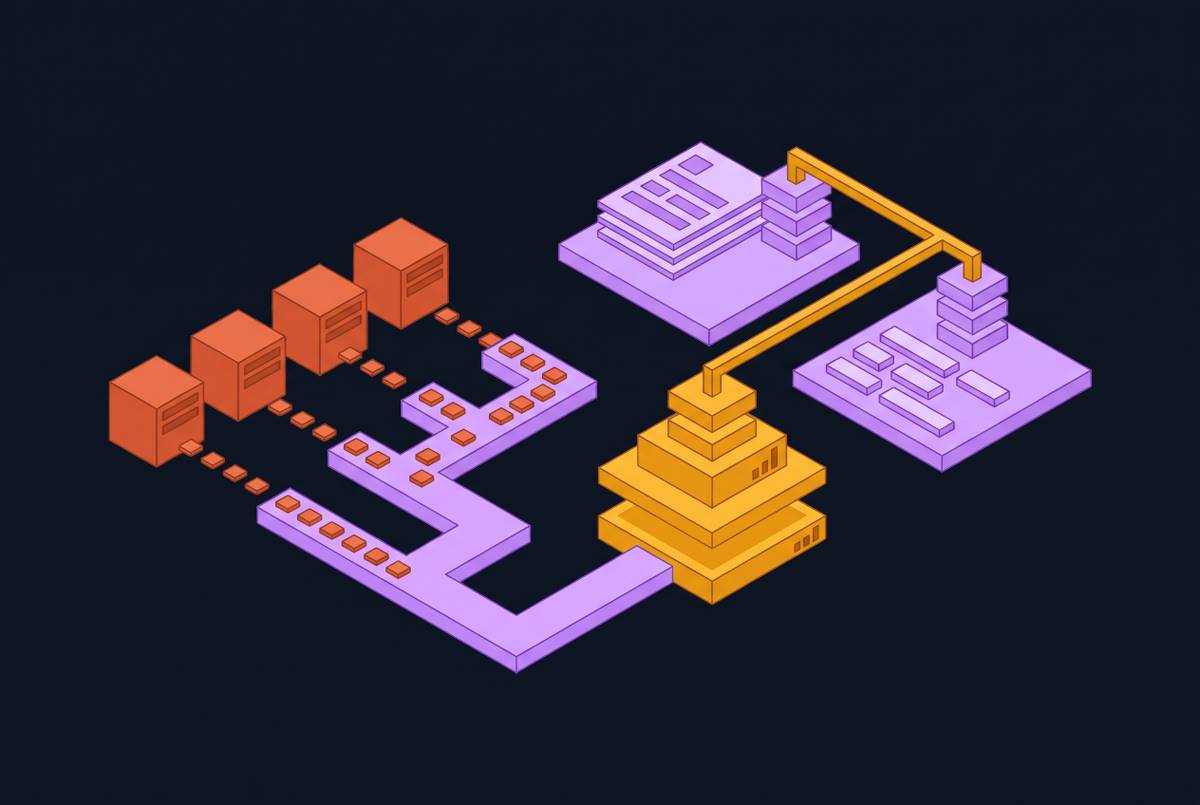
The practical response is to place task dispatch above the agents. Work enters through a shared surface, including Slack mentions, GitHub issue assignments or comments, Linear issues, and monitoring or CI webhooks. The trigger picks out the work without tying it to one harness for good. Dispatch can then route separate tasks to the appropriate agent or available capacity. Parallel execution no longer depends on a developer switching between agent-specific entry points.
GitLab Duo Agent Platform gives teams a shared place to work across GitLab.com, Self Managed, and Dedicated. Its foundational agents support issue-to-merge-request work, pipeline fixes, reviews, merge-conflict resolution, and security triage, while external agents can include Claude Code and Codex. GitLab remains the work surface when the executor changes. Sentry offers a related pattern for alert-driven work. Its AI debugging agent identifies root causes, drafts fixes, and opens pull requests, with a handoff to Claude Code or other agents allowing the alert path to remain separate from a particular harness.
These integrations are useful because of the boundary they establish. The entry point belongs to the team’s workflow. The executor is replaceable beneath it. The same separation must hold at completion. Both agents return reviewable pull requests, so review, merge, and rollback follow the same process regardless of who produced the change. The pull request becomes the common unit of output and human oversight.
Credential architecture and spend controls across a two-vendor fleet
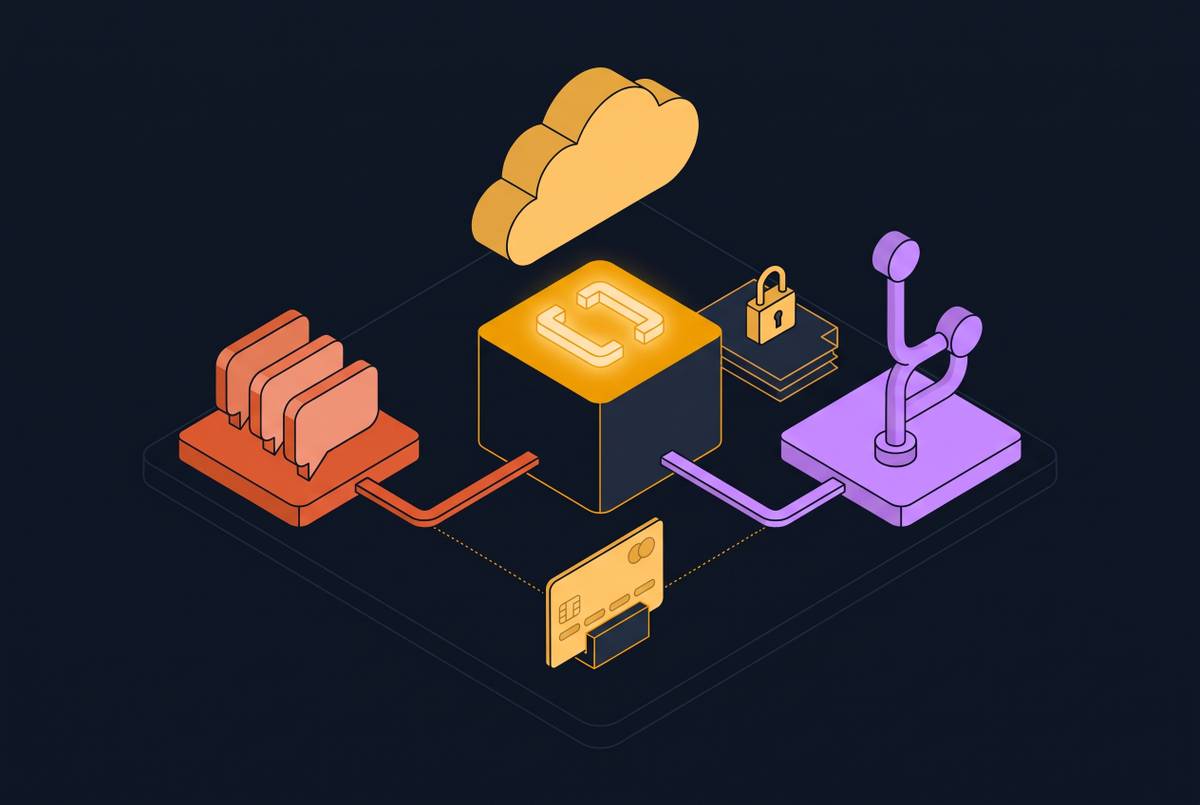
Central credential injection is the security foundation of this model. Locally configured agent keys create credential sprawl and can expose production systems when a developer machine is compromised. The recommended architecture keeps credentials out of agents’ direct possession and handles injection centrally. Managed Claude settings provide an enforcement path for organization-wide credential and permission policy. The shared layer must apply the same controls across both vendors and take precedence over settings on a developer’s machine.
Spend controls also need to keep what each vendor enforces separate from what teams can see across the fleet. Claude Enterprise has organization- and user-level limits, while Console/API workspaces have their own spend limits. Claude Code also exports cost estimates through OpenTelemetry using claude_code.cost.usage, incremented per API request with user attributes for per-developer reporting. Those estimates provide a consolidation feed. Model choice remains a major cost lever on metered routes, with long uncleared sessions and Opus left as the default identified as common sources of unexpectedly high consumption.
Codex Enterprise instead uses annual-prepay, negotiated arrangements, with committed seats and usage caps making spend control primarily contractual. Business-tier token credits provide more granular consumption data than per-message billing did, but that data remains within OpenAI’s administrative surface. Equivalent live controls cannot be assumed. The unified approach is to retain each vendor’s native limits and route available telemetry into neutral reporting. Teams that bring their own Anthropic and OpenAI API keys can also see usage directly in each vendor’s API dashboards and keep model billing out of the platform’s account.
What consistent code review looks like when two agents share a codebase
Review policy needs its own source of truth because the two harnesses do not share a rule format. For automated review, Claude Code uses REVIEW.md and follows CLAUDE.md for context on the project. Codex uses the Code Review Rules section of AGENTS.md. A change to one does not update the other. Without active synchronization, two pull requests in the same repository can receive different scrutiny despite being subject to the same team standards.
Some differences also come from the review services themselves. Claude Code’s service runs parallel agents on Anthropic infrastructure, verifies findings, and posts inline comments across three severity levels. Custom review rules do not override that reporting constraint. A P2 finding reported by Claude Code may therefore be absent from a Codex review even when both configurations express the same policy.
The practical fix is a neutral canonical policy, such as a shared standards document or team wiki, with a designated maintainer propagating changes into both formats together. Synchronization prevents policy drift, but it does not make the services identical. Required status checks and branch protection still enforce the rules as a backstop. Those merge gates should apply identically to all agent-opened pull requests, including mandatory secret scanning before merge, enforced through pre-receive hooks or required status checks. A clean agent review is not a substitute for passing the repository’s controls.
How can engineering teams run Claude Code and Codex in the cloud without managing infrastructure?
A multi-harness cloud agent platform moves execution and shared governance into one managed layer. In this model, each agent runs in its own isolated Linux VM, while the platform handles workspace-scoped credential injection. The developer’s machine is no longer the execution boundary. The work comes back as pull requests, and a shared audit and observability surface brings together records across agent runs so teams can stop doing it by hand. Slack, Linear, GitHub, and GitLab triggers connect once across harnesses.
For buyers, those boundaries are more useful criteria than the number of agents a platform advertises. A suitable platform lets teams run tasks in parallel and start work on a schedule or from events, including monitoring alerts and CI events. Enterprise requirements also extend beyond task execution. SSO, SCIM, audit logs, self-hosting, and secret-scanning enforcement need to be part of the product’s governance capabilities, rather than an integration project deferred until deployment. Shared reporting must expose activity across agents without requiring reviewers to reconstruct it from separate vendor surfaces.
With bring-your-own-model accounts, teams keep their subscriptions and keys while paying the platform for compute. Workspace-minute pricing, with nothing charged while workspaces sleep, ties platform cost to utilization independently of the number of harnesses provisioned. Model charges stay separate and still need controls. Teams should be able to switch from Claude Code to Codex by changing only the execution configuration, with work still going through the same trigger paths, security boundaries, and review gates.